
Transform Your Health Through Balanced Nutrition
Discover how a balanced diet fuels your body, sharpens your mind, and energizes your daily life. Expert insights from nutritionists across the United Kingdom.

Nutrition Impact by Numbers
How balanced eating influences health across different life areas
Food Groups Daily
Balanced intake from fruits, vegetables, grains, protein, and dairy
Hours Better Sleep
Improved rest quality when nutrition supports circadian rhythm
Minutes Activity Daily
Energy boost from proper nutrition supports physical movement
Water Daily
Essential hydration for cellular function and nutrient transport

Why Balanced Diet Matters for Daily Wellness
A balanced diet is the foundation of good health. When you consume the right mix of nutrients—carbohydrates, proteins, fats, vitamins, and minerals—your body receives the fuel it needs to function optimally. This isn't just about avoiding disease; it's about feeling energized, focused, and ready to tackle whatever the day brings.
Our bodies are incredibly complex systems. Each food group serves a specific purpose. Proteins build and repair tissues. Carbohydrates provide energy. Healthy fats support brain function. Vitamins and minerals keep your immune system strong and your metabolism efficient. When these elements are in balance, everything works in harmony.
- Sustained Energy: Balanced meals prevent energy crashes throughout your day
- Mental Clarity: Proper nutrition supports concentration and cognitive function
- Immune Strength: Nutrient-rich foods bolster your body's natural defenses
- Emotional Wellbeing: Nutrition impacts mood and mental health
Essential Food Groups Explained
Understanding what your body needs each day
Fruits & Vegetables
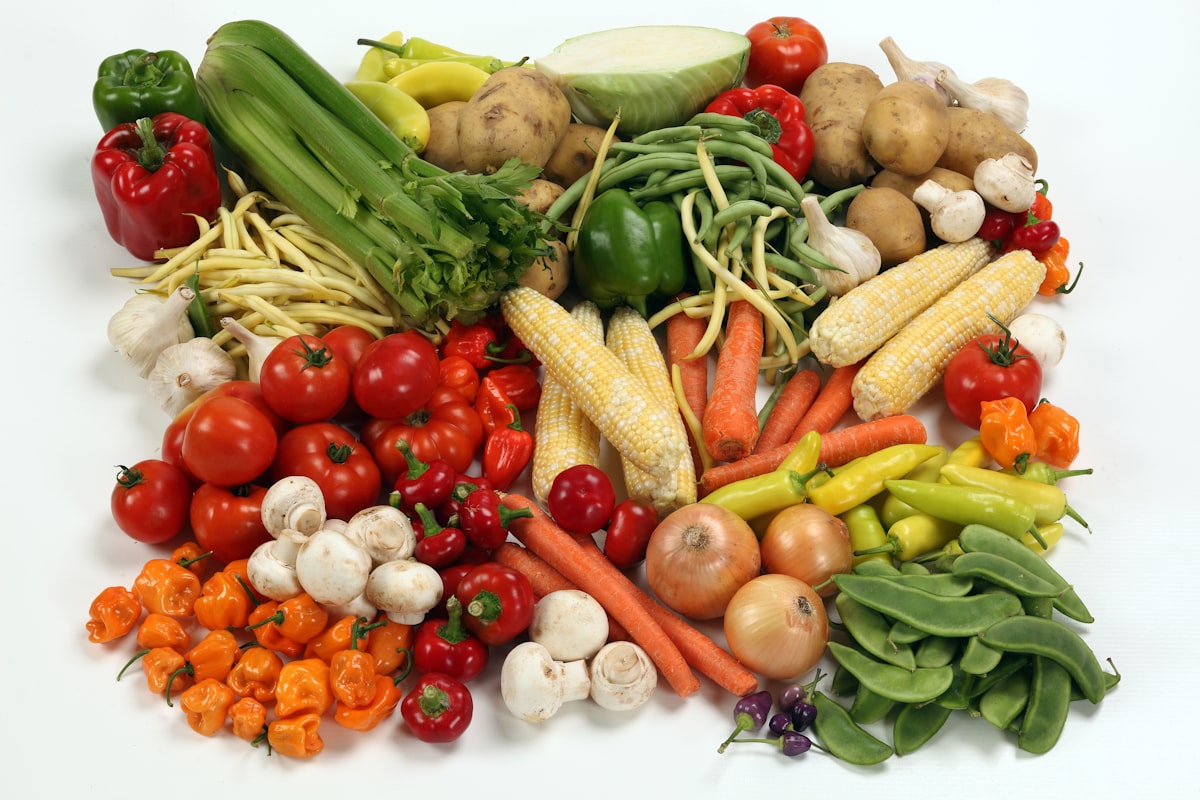
Rich in vitamins, minerals, and dietary fibre. Aim for variety in colours—red, orange, green, purple—as each colour indicates different beneficial compounds. Include at least five portions daily.
Examples: Broccoli, carrots, spinach, berries, apples, sweet potatoes
Grains & Carbohydrates
Your primary energy source. Choose whole grains whenever possible—they contain more fibre and nutrients than refined versions. Whole grains support digestion and sustained energy levels throughout the day.
Examples: Brown rice, oats, whole wheat bread, quinoa, barley
Protein Sources
Essential for building and repairing muscle tissue. Protein also keeps you feeling full longer. Include both animal and plant-based sources for a complete amino acid profile and diverse nutrients.
Examples: Chicken, fish, eggs, beans, lentils, nuts, tofu
Dairy & Alternatives
Crucial for bone health and calcium intake. Choose lower-fat options when possible. If you're lactose intolerant or vegan, fortified alternatives provide similar nutritional benefits.
Examples: Milk, yogurt, cheese, fortified soy milk, almond milk
Healthy Fats
Not all fats are created equal. Unsaturated fats support heart and brain health. Include them in moderation. Omega-3 fatty acids are particularly important for cognitive function and inflammation management.
Examples: Olive oil, avocados, fatty fish, nuts, seeds
Hydration
Water is essential for every cellular function. Most adults need around 2 litres daily, though individual needs vary based on activity level and climate. Proper hydration improves energy, skin health, and cognitive performance.
Examples: Water, herbal tea, water-rich fruits and vegetables
Your 5-Step Daily Nutrition Journey
A practical approach to building balanced eating habits
Start with Breakfast
Break your overnight fast with a nutritious meal containing protein, whole grains, and fruit. A good breakfast—within an hour of waking—stabilises blood sugar, improves focus, and reduces afternoon cravings. Include eggs, oatmeal, yogurt, or whole grain toast.
Plan Your Meals
Intentional meal planning prevents impulsive, less nutritious choices. Spend time on the weekend sketching out your week. Include breakfast, lunch, dinner, and planned snacks. This strategy reduces stress around mealtimes, saves money, and ensures you hit your nutritional targets. Write a shopping list aligned with your plan.
Balance Each Plate
Follow the plate model: half your plate should be vegetables and fruits, one-quarter lean protein, and one-quarter whole grains or starchy vegetables. Add a small serving of healthy fat (oil, nuts, avocado). This visual approach simplifies portion control and ensures variety without complex calculations.
Hydrate Throughout the Day
Drink water consistently—aim for at least two litres daily. Start with a glass upon waking, drink before, during, and after meals, and keep a bottle with you throughout the day. Proper hydration supports metabolism, digestion, energy levels, and cognitive function. Limit sugary drinks and excess caffeine.
Reflect and Adjust
Weekly, reflect on how your nutrition impacts your energy, mood, and wellbeing. Notice what makes you feel best and what causes sluggishness or discomfort. Balanced eating isn't one-size-fits-all—personalise based on your body's feedback. Keep a simple food journal if helpful. Progress, not perfection, is the goal.
Balanced Meal Inspiration Gallery
Real examples of balanced, nourishing meals

Mediterranean Salmon Bowl
Grilled salmon, quinoa, roasted vegetables, cucumber, tomato, olive oil drizzle
Why balanced: Omega-3 protein + whole grains + 4 vegetable servings + healthy fat

Colourful Veggie Stir-Fry
Brown rice, broccoli, capsicum, carrots, snap peas, sesame oil, tofu or chicken
Why balanced: Complex carbs + lean protein + fibre + micronutrients + healthy oil

Greek Legume Salad
Mixed greens, chickpeas, feta, tomatoes, cucumber, olives, lemon vinaigrette
Why balanced: Plant protein + dairy + vegetables + healthy fats + antioxidants
Power Breakfast Toast
Whole grain bread, avocado, poached egg, cherry tomatoes, fresh herbs
Why balanced: Whole grains + quality protein + healthy fat + vegetables

Hearty Lentil Soup
Red lentils, onions, carrots, celery, spinach, vegetable broth, herbs
Why balanced: Plant-based protein + fibre + vegetables + hydration

Lean Protein Plate
Grilled chicken breast, sweet potato, steamed green beans, side salad
Why balanced: Lean protein + complex carbs + vegetables + vitamins
Common Questions About Balanced Eating
Expert answers to nutrition questions our readers ask most
A balanced diet includes regular servings from all five food groups: fruits and vegetables, grains, proteins, dairy or alternatives, and healthy fats. Track for a few days using a food app or journal. You should see variety in colours on your plate, include protein at each meal, drink adequate water, and feel sustained energy without afternoon crashes. If you're unsure, consult a registered dietitian who can assess your individual needs based on age, activity level, and health goals.
Real Stories from Our Community
How balanced nutrition transformed daily life for our readers
"I struggled with afternoon energy crashes until I read your article about balanced meal timing. Started eating proper breakfast with protein and whole grains. Within two weeks, my energy was completely different. I can focus better at work, and I don't reach for sugary snacks anymore. This information changed my daily routine for the better."
Sarah Mitchell
London, England
"As a busy mum, I never thought I had time for meal planning. Your five-step guide made it simple and practical. Now I prepare balanced meals without stress, and my whole family eats better. My kids' concentration at school has improved, and I genuinely feel healthier. The gallery of meal ideas was so helpful—finally found recipes my family actually enjoys."
Emma Thompson
Manchester, England
"The explanation about food groups finally made sense of nutrition. I was confused about carbs and proteins, but the 'balanced plate' concept is brilliant. I use it every day. My digestion is better, my skin looks clearer, and I sleep deeper. The FAQ section addressed exactly the questions I had. This is quality information delivered without gimmicks."
James Robertson
Edinburgh, Scotland
Discover More Nutrition Insights
Our editorial team continuously publishes evidence-based articles on balanced nutrition, meal planning, and sustainable healthy eating habits. Subscribe to our content updates and stay informed about the latest nutritional science and practical guidance for daily wellness.
Join our community of readers interested in evidence-based nutrition and healthy living. We respect your privacy and never share your information.
Start Your Balanced Diet Today
Take the first step toward better health with actionable nutrition guidance
Your Next Steps
-
Assess Your Current Diet
Understand what you're eating and identify areas for improvement
-
Set Realistic Goals
Define achievable nutrition targets aligned with your lifestyle
-
Build Sustainable Habits
Incorporate balanced eating into your daily routine with ease
-
Track & Celebrate Progress
Monitor improvements and celebrate every milestone along the way
Success Stories from Our Community
See how others transformed their health with balanced nutrition
Sarah Mitchell
Fitness Enthusiast
"Daily Energy Nutrition transformed my approach to eating. I finally understand how to fuel my body properly, and I have more energy than ever before!"
James Rodriguez
Busy Professional
"As someone constantly on the go, I struggled with nutrition. These practical tips and meal ideas have made healthy eating sustainable for my lifestyle."
Emily Chen
Health Coach
"I recommend Daily Energy Nutrition to all my clients. The science-backed information and actionable strategies deliver real results and lasting change."
Frequently Asked Questions
What nutrition principles does Daily Energy Nutrition follow?
We combine evidence-based nutrition science with practical lifestyle strategies. Our approach emphasizes whole foods, balanced macronutrients, sustainable habits, and individual flexibility to help you achieve lasting health improvements.
Is this information suitable for people with dietary restrictions?
Absolutely! Our guidance is adaptable to various dietary preferences and restrictions including vegetarian, vegan, gluten-free, and allergy-conscious diets. We provide alternative options and flexible frameworks for everyone.
How long does it typically take to see results?
Many people notice improved energy levels within 1-2 weeks of implementing balanced nutrition habits. More significant health transformations typically develop over 4-8 weeks as your body adapts and habits solidify. Consistency is key!
Can I follow this guidance alongside medical treatment?
Yes, our nutrition guidance complements medical care. We always recommend consulting with your healthcare provider or registered dietitian, especially if you have existing health conditions, take medications, or have specific medical concerns.
How do I stay motivated on my nutrition journey?
Set realistic, specific goals, track your progress, celebrate small wins, build a supportive community, and remember that perfection isn't the goal—consistency and progress are. Focus on how you feel, not just the numbers.
Ready to Transform Your Health?
Join thousands who've discovered the power of balanced nutrition. Start your journey today with Daily Energy Nutrition.
No credit card required • Free to get started • Expert guidance included
Daily Energy Nutrition
Science-backed nutrition guidance for sustainable health and lasting energy.
Quick Links
Resources
© 2024 Daily Energy Nutrition – VAT: GB918 3130 83. All rights reserved. | Empowering healthier lives through balanced nutrition.